
The Musician’s Daughter
Posted: December 26, 2011 Filed under: Book of Sand Leave a commentby Susanne Dunlap
{ 2008 | Bloomsbury | 336 pgs }
Do you want to read a pro-Gypsies book set in 18th-century Vienna? If so, here it is. Bonus: 18th-century feminism! Was that a thing?
I’m not convinced that it was, but the narrator, 15-year-old Theresa, wants to play the violin in Haydn’s orchestra, not marry and have her accomplishments confined to the home. She wants to be free to choose her own destiny! (This sounds slightly out of place for the setting, right? Not just me?)
The plot is decent, but political, and I’m sure there’s some modern-day message I was meant to glean from the “Gypsies are people too” slant. Maybe the point was that we’re still prejudiced today! Against Gypsies and women!
Life is short. Skip this book.
If you really want to, buy The Musician’s Daughter on Amazon.
The Unit
Posted: December 26, 2011 Filed under: Book of Sand Leave a commentby Ninni Holmqvist; translated by Marlaine Delargy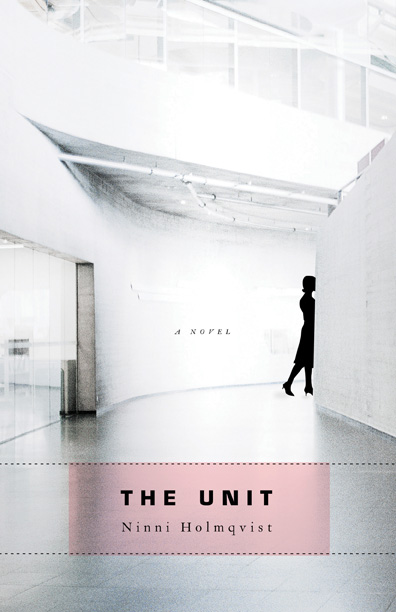
{ 2008 | Other | 272 pgs }
In this dystopian novel, any member of society who fails to make minimum contributions to society – in the form of having children or a partner who needs them – is considered “dispensable” and taken to a biological reserve bank at age 50 for women, age 60 for men. There they are subjects for research or donors for people who are “necessary.” The story follows Dorrit as she enters the unit and tries to make sense of (the end of) her life.
It was well written, and I liked the premise, but overall The Unit was too similar to Never Let Me Go, which I read first and therefore liked more. Still, The Unit was a quick, easy read, and not a bad book at all to pick up if you’re bored.
What Katy Did
Posted: December 23, 2011 Filed under: Book of Sand Leave a commentby Susan Coolidge
{ 1872 | Roberts Brothers | 240 pgs }
I found What Katy Did on a list of the 100 best books for children, and since it’s an older book, I got it for free on the Kindle. Katy is the eldest of six children whose mother died years ago; they live with their father and their aunt. Katy is mischievous, impulsive, and perhaps irresponsible. When her invalid cousin Helen comes to visit, Katy is struck by how virtuous and lovely Helen is, despite being confined to the couch. Naturally, Katy soon after has a great fall and becomes an invalid herself, since she sustains a back injury that is fairly severe. With cousin Helen’s urging, Katy works to become more virtuous, responsible, nurturing, and patient.
Believe it or not, I actually felt compelled to become more virtuous, reponsible, nurturing, and patient myself after reading this. What Katy Did is a little (!) out of place in contemporary society, and I read some criticism that the book’s aim is to make Katy more “womanly” as the selfless heart of the home. You know what, though? Being selfless and patient is a good goal for anyone, man or woman. While anything can be taken to extremes, I think a little more selflessness and a little less me-first attitude could go a long way right now.
 Jarom
Jarom Mika
Mika hilleries